
Adire Fabric Decor: How to Bring Nigerian Textiles Into Your Home
Ever look around your living room and feel something’s missing? Maybe you want a punch of color, a story woven into the space, or just a way to make your home feel uniquely yours (without draining your wallet). If you’re craving something special, Adire fabric—Nigeria’s iconic hand-dyed textile—might be the stylish upgrade your home is begging for.
Adire isn’t just pretty cloth. It’s tradition, artistry, and soul, dyed into cotton with patterns that spark conversation. Let’s dig into what makes Adire fabric decor so magical, and exactly how you can use it for a home refresh that’s bold, personal, and budget-friendly.
What Is Adire Fabric? A Quick Guide
Adire (pronounced “ah-DEE-ray”) comes from the Yoruba people of southwestern Nigeria. The word means “tie and dye,” and that’s exactly how it’s made. Artisans use resist-dyeing—binding, stitching, or painting with wax—before dipping the fabric into indigo or other vibrant dyes.
You’ll recognize Adire by its bold geometric patterns, playful dots, and rich, earthy blues. Some pieces have repeating motifs, others show off freeform lines or symbols that carry meaning. It’s a textile with character, and no two pieces are exactly the same.
Adire isn’t new. It’s been around for centuries, but right now, it’s having a major style moment. Designers and DIYers are using it for everything from throw pillows to framed art.
Why Adire Fabric Decor Feels So Fresh (and Timeless)
Let’s be honest, most big-box decor starts to look the same. Adire fabric is different. Here’s why it’s a favorite for home stylists:
- Unique patterns: Each piece is hand-dyed, so your decor won’t look cookie-cutter.
- Versatility: Adire works with boho, modern, eclectic, or minimalist rooms.
- Color therapy: Deep indigos and bold patterns add instant depth and warmth.
- Storytelling: Every pattern has history, turning your decor into conversation starters.
- Affordable: You can buy small pieces for under $30, making it a low-risk way to experiment.

Credit: www.newsbytesapp.com
Where To Use Adire Fabric In Your Home
If you’re new to Adire, start small. A pop of pattern goes a long way. Here are some of the most practical (and renter-friendly) ways to bring Adire into your space:
- Throw Pillows: Swap out neutral covers for Adire patterns to transform a basic couch or bed.
- Wall Art: Stretch Adire over a canvas or frame a large square. It’s instant, affordable art.
- Table Runners: Layer over a plain table for color and texture during meals or parties.
- Curtains: Adire drapes filter light beautifully, adding drama without heaviness.
- Bed Throws: Fold at the end of a bed for an easy, hotel-style upgrade.
- Lamp Shades: Wrap a plain shade for a custom look (hello, statement lighting).
- Upholstery: Cover a bench, ottoman, or accent chair for a one-of-a-kind piece.
Not sure where to start? Try a throw pillow or two—they’re low commitment but high impact.
Adire Vs. Other African Textiles: What Makes It Stand Out?
With so many African fabrics available, it’s easy to get confused. Here’s a quick comparison to help you spot the differences:
| Textile | Origin | Technique | Common Colors | Best Uses |
|---|---|---|---|---|
| Adire | Yoruba, Nigeria | Tie-dye, resist-dye | Indigo, blue, white | Pillows, wall art, throws |
| Kente | Akan, Ghana | Handwoven | Gold, green, red, black | Table runners, framed art |
| Bogolan (Mud Cloth) | Mali | Mud-dye, hand-painting | Brown, black, white | Upholstery, throws |
Adire’s deep indigos and abstract patterns make it especially easy to mix with modern or minimalist decor—no clashing with your favorite boucle accent chair or a brass pendant light.
How To Choose The Right Adire Textiles For Your Style
Shopping for Adire can feel overwhelming because every piece is unique. Here’s how to find the right one for your space:
1. Consider Color And Pattern Scale
- Small, busy patterns work well for throw pillows and lampshades.
- Large, bold motifs look best as wall hangings or bed throws.
- Classic indigo is the most versatile, but you’ll also find Adire in earthy reds, greens, or even hot pinks.
2. Match Texture To Purpose
Adire comes in cotton, but weights vary. For upholstery, look for heavier fabrics. For curtains or scarves, lighter cotton is best.
3. Think About Cultural Meaning
Some Adire patterns represent proverbs, community, or nature. If you’re curious, ask the seller about the story behind a piece. It’s an easy way to add depth to your decor choices.
4. Size Matters
For wall art, aim for at least 24” x 36” for drama. Smaller pieces are perfect for styling a tray or lining a basket.
How To Style Adire Decor Like A Pro
Adding a new textile is about more than just throwing it on the couch. Here’s how to get that “styled by a designer” look—no pro skills needed.
Mix Patterns Confidently
Adire plays well with other prints, but balance is key. Try these combos:
- Pair Adire pillows with solid velvet or linen covers.
- Use a large Adire throw next to a small-scale polka-dot or stripe.
- Add a single Adire curtain panel if the rest of your drapes are plain.
Work With Color
If you have mostly neutral furniture, Adire will add life without overwhelming the room. Match indigo tones to navy accents (like a rug or vase). For bolder colorways, pick up one color in other accessories—like a burnt orange Adire runner with matching ceramic bowls.
Layer Textures
Adire’s soft cotton looks even richer next to wood, brass, or rattan. Drape a piece over a woven bench, or add to a room with a boucle accent chair for cozy contrast.
Create A Focal Point
Don’t scatter Adire all over. Start with one main statement—like a framed textile above your bed or a dramatic table runner—then add smaller hits (like a single pillow) elsewhere.
Caring For Adire Fabric Decor
Adire is durable, but it’s still artisan-made. Here’s how to keep it looking bright and beautiful:
- Wash gently: Use cold water and mild detergent. Hand wash or use the delicate cycle.
- Dry flat: Sunlight can fade dyes, so dry in the shade if possible.
- Iron inside out: Use a low setting to protect the patterns.
- Spot clean: For upholstery or wall art, spot clean stains rather than full washing.
Insider tip: Some new Adire pieces may “bleed” a little color at first. Wash them separately the first few times.
Diy Ideas: Make Your Own Adire-style Decor
Want a hands-on project? Try making Adire-inspired decor at home. It’s easier than you think and perfect for renters or anyone on a budget.
What You’ll Need
- White cotton fabric (napkins, pillow covers, or even old sheets)
- Indigo or fabric dye
- Rubber bands, string, or wax
- Gloves and a large plastic tub
Basic Steps
- Fold, tie, or wrap your fabric to create resist patterns.
- Mix your dye according to package instructions.
- Soak the fabric, then let it air-dry.
- Rinse in cold water to set the color.
Now you’ve got custom art for almost no money. Try covering a lampshade, making napkins, or creating a small wall hanging.
Real Home Examples: How Others Use Adire Fabric Decor
Sometimes the best inspiration comes from seeing what real people do. Here are a few creative ways Adire is showing up in stylish homes:
- Entryway Bench: An Adire-upholstered bench adds a pop of personality to a bland hallway.
- Gallery Wall: Instead of prints, a trio of framed Adire squares makes a unique focal point.
- Dining Table: Layered Adire runners and napkins create a festive, global-inspired tablescape.
- Reading Nook: A cozy Adire throw pairs perfectly with a boucle accent chair and a stack of books.
One beginner mistake? Using too many different Adire patterns at once. Stick to one or two, and let them shine.
Budget-friendly Shopping Tips
You don’t need to fly to Lagos to find authentic Adire. Here’s how to shop smart:
- Online Marketplaces: Look for “Adire fabric” on handmade marketplaces or African textile shops. Read reviews for quality.
- Local Stores: Some global or African markets carry Adire. Ask about textile origins.
- Fabric Stores: Buy by the yard and DIY your decor—perfect for runners, pillows, or art.
- Vintage/Secondhand: Thrift shops sometimes have Adire or similar indigo textiles for a steal.
Watch out: Some cheap “Adire” is just printed, not hand-dyed. If the price is very low, check the description to avoid disappointment.
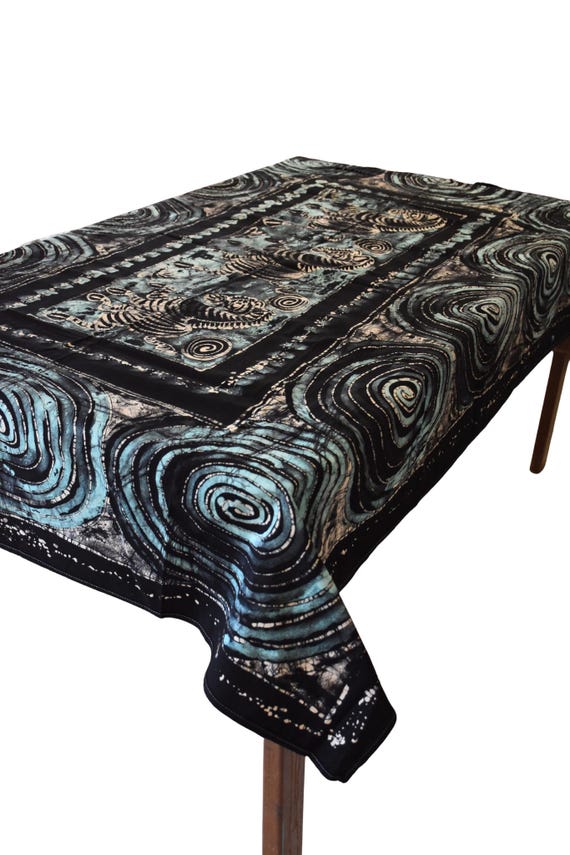
Credit: www.etsy.com
Adire Decor: Quick Room Makeover Ideas
Ready to try Adire fabric decor? Here are a few simple upgrades you can do in a weekend:
- Swap Out Pillow Covers: Replace two or three sofa pillows with Adire covers.
- Create a Statement Wall Art: Stretch a piece of Adire over a canvas for an instant focal point.
- Update a Lampshade: Wrap fabric around a plain shade and secure with fabric glue or double-sided tape.
- Make a Table Runner: Cut a strip of Adire and hem the edges for a one-of-a-kind runner.
- Style a Basket: Line a woven basket with a bright Adire square for extra color and texture.
Each project costs under $50—and most are renter-friendly and reversible.
Sustainability And Supporting Artisans
Adire isn’t just beautiful decor; buying authentic pieces supports traditional artisans and sustainable practices. Most Adire is made by hand using natural dyes, so it’s a more eco-friendly choice than mass-produced textiles.
If you want to learn more about Adire’s history or ethical sourcing, check out the Wikipedia entry on Adire textiles for further reading.

Credit: africanthings.org
How Adire Fabric Decor Compares To Other Statement Textiles
If you’re still deciding, here’s a quick look at how Adire stacks up against other trendy textiles for home decor:
| Textile | Style Impact | Ease of Use | Price Range | Care Level |
|---|---|---|---|---|
| Adire | Bold, artisanal | Very easy | $$ | Low |
| Batik | Colorful, detailed | Moderate | $$ | Medium |
| Kantha | Soft, stitched | Easy | $-$$ | Low |
Adire is a go-to for anyone who wants maximum style with minimum effort.
Frequently Asked Questions
What Is The Best Way To Care For Adire Fabric Decor?
Wash Adire gently with cold water and mild detergent. Air-dry in the shade to protect the dye. For items like pillows or wall art, spot cleaning is usually enough.
Can I Mix Adire With Other Patterns In My Home?
Absolutely! Start by pairing Adire with solid colors or subtle textures like linen or velvet. If you want to mix patterns, keep them in the same color family for a coordinated look.
Is Adire Fabric Expensive?
Adire ranges in price, but many small pieces (like pillow covers or runners) are affordable, usually $20–$50. Large or vintage pieces cost more, but you can often find budget-friendly options, especially if you DIY.
Where Can I Buy Authentic Adire Fabric?
Try online artisan marketplaces, African textile shops, or local specialty stores. Always check for details on how the fabric was made—hand-dyed Adire is more authentic and supports real artisans.
How Do I Know If An Adire Piece Is Genuine?
Real Adire usually has slight imperfections, visible dye marks, and a soft, natural feel. Printed imitations may look “too perfect” or have a plastic-like finish. Ask the seller about the process for extra confidence.
Home decor should feel personal and joyful—not just “on trend. ” Whether you try a single Adire pillow or go big with wall art, you’ll add a dose of history, color, and warmth to your home. Give it a try, and don’t be afraid to mix, match, and make it yours.
If you create something with Adire, share your before-and-after—your ideas could inspire someone else’s next refresh!