
Afrohemian Decor: 8 Ways to Blend African & Boho Style at Home
Afrohemian Decor: 8 Ways to Blend African & Boho Style at Home
Walking into a space that feels warm, creative, and full of story is always unforgettable. That’s the magic behind Afrohemian decor—a style that beautifully blends the rich spirit of African design with the relaxed, eclectic energy of Bohemian interiors. It’s a look that tells your story, celebrates global influences, and invites curiosity. Whether you’re drawn to bold color or calming earth tones, handwoven textures or wild pattern mixing, Afrohemian style offers endless ways to make your home feel uniquely yours.
Many people think mixing two strong styles will make a room feel messy or unbalanced. But when you understand what makes African and Boho decor special—and how they can work together—the result is a home that’s both inspiring and deeply personal. This guide will show you eight clear ways to bring the Afrohemian look into your space, with practical tips for everything from textiles and baskets to wood accents and mixing patterns.
Let’s explore how you can use these ideas to create a home that feels soulful, stylish, and full of life.
The Essence Of Afrohemian Decor
Afrohemian decor isn’t just a trend. It’s a celebration of African heritage and the free-spirited vibe of Bohemian living. The style is rooted in natural materials, handcrafted pieces, earthy colors, and patterns that tell stories.
What sets Afrohemian decor apart is its focus on artisanal objects and personal expression. You’ll find a mix of textures like mudcloth, woven baskets, carved wood, and rattan. There’s also a love for pattern—sometimes bold, sometimes subtle—but always meaningful.
But blending African and Boho looks can be tricky. The key is to balance boldness with simplicity, and tradition with creativity. That’s why the eight approaches below will help you bring this unique style home in a way that feels real and inviting.
1. Layering African Textiles With Boho Comfort
Textiles are the heart of both African and Bohemian decor. They’re also the easiest way to start building an Afrohemian space. African textiles—like mudcloth, kente, and ankara—bring bold patterns and deep meaning. Boho style, on the other hand, loves soft throws, tasseled pillows, and easy layering.
Try this:
- Drape a mudcloth throw across a neutral Boho sofa.
- Mix kente cushions with macramé pillows.
- Use an ankara fabric as a table runner or wall hanging.
The secret is in the mix. Let strong African prints be the star on a neutral base, or layer softer Boho pieces with just a few African accents. This creates comfort without chaos.
Example Combinations
- A cream couch with black-and-white mudcloth pillows, plus a chunky Boho knit blanket.
- Low-seating poufs covered in colorful African wax prints next to a rattan daybed.
Insider Tip: Many beginners buy too many patterned pillows and throws, which can overwhelm the eye. Start with just two or three statement textiles, then add more as you see what feels right.
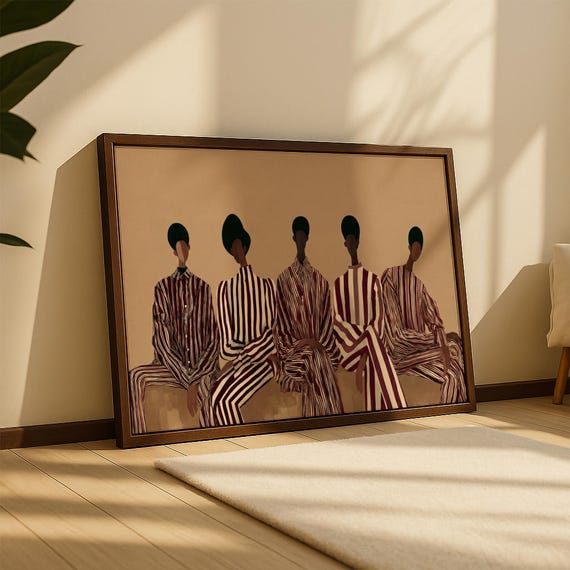
Credit: www.etsy.com
2. Handwoven Baskets: Storage And Art
Handwoven baskets are a classic in both African and Bohemian homes. In Africa, baskets are made with skillful techniques passed down for generations. They come from places like Ghana, Senegal, and Rwanda, each with its own designs and uses.
Why Use Baskets?
- They add texture and warmth.
- They’re practical for storage (blankets, toys, plants).
- Larger baskets can be hung as wall art.
In Boho spaces, baskets are often used for organizing or as casual decor. Afrohemian style takes this further by mixing African baskets with Boho shapes and materials—like seagrass, sisal, or even recycled plastic.
Practical Uses
- Group three baskets of different sizes by your sofa for magazines and throws.
- Hang a set of flat, patterned baskets above your bed instead of framed art.
- Place a lidded Senegalese basket in the entryway for shoes or hats.
Non-Obvious Insight: Not all baskets are made the same. For Afrohemian style, seek out baskets with bold patterns or unusual shapes. These stand out more and bring a real story to your room.
3. Carved Wood Accents: Bringing Nature And Craft Together
Wood is a key material in both African and Bohemian interiors. African woodwork is known for its carved stools, masks, and sculptures. These pieces aren’t just decorative—they often hold deep cultural meaning. Boho style, meanwhile, loves natural finishes and simple, handmade shapes.
How to use carved wood in Afrohemian decor:
- Choose a hand-carved African stool as a side table.
- Hang a set of masks or small wooden wall sculptures.
- Use a chunky wooden tray on your coffee table for candles and beads.
Mix different wood tones for a more layered look. Dark ebony, warm teak, or lighter mango wood all work well. Don’t be afraid to pair a rough, rustic piece with a polished Boho accessory.
Comparison Of Wood Accents
Here’s a look at how carved wood accents can differ across Afrohemian, pure African, and Boho styles:
| Accent Type | Afrohemian | Pure African | Pure Boho |
|---|---|---|---|
| Stools | Carved African stool with woven Boho throw | Traditional Ashanti or Bamileke stool | Simple wooden pouf or footstool |
| Masks | One bold mask with soft wall hangings | Cluster of tribal masks | None or abstract wooden art |
| Sculptures | Animal or human figures with plants nearby | Detailed totems or ancestral figures | Minimal animal carvings or driftwood |
Expert Guidance: Authentic African wood pieces can be expensive or hard to find. Don’t worry—choose one real piece and combine it with simple Boho wood objects. The mix feels intentional and fresh.
Credit: unusualrefinement.com
4. Rattan, Bamboo, And Beaded Curtains: Softening Spaces
Rattan and bamboo are favorites in Boho interiors for their light, natural look. African homes often use these materials for baskets, chairs, and sometimes even room dividers. Adding beaded curtains—especially those made with wooden or clay beads—brings a playful, textural element that’s pure Afrohemian.
Ways to use these materials:
- Hang a beaded curtain in a doorway or window for movement and sound.
- Choose rattan or bamboo chairs, stools, or headboards.
- Use a rattan pendant lamp to add warmth overhead.
Mixing the materials is what makes the style work. For example, a rattan chair with an African mudcloth cushion is a perfect fusion.
Example Room Setting
Imagine a sunny reading nook with:
- A bamboo armchair draped in a kente throw.
- A beaded curtain dividing the nook from the rest of the room.
- A rattan side table holding a carved wooden animal.
Beginner Pitfall: Beaded curtains can look dated if not chosen carefully. Select curtains with earthy, hand-painted beads or mix materials (wood, clay, glass) for a more modern, Afrohemian effect.
5. Mixing Patterns Without Overwhelm
Pattern mixing is the heartbeat of Afrohemian decor. African prints—like mudcloth, kuba, and wax print—are bold and graphic. Boho style loves paisleys, florals, and geometric shapes. The trick is combining these without creating visual chaos.
How To Mix Patterns Successfully
- Stick to a Color Palette: Choose 2-3 main colors and let these guide your pattern choices.
- Vary Scale: Mix large-scale African prints with smaller Boho patterns.
- Limit the Number: Start with two patterns and add more only if the room still feels balanced.
- Use Neutrals: Let plain walls or large furniture pieces give the eye a place to rest.
Example Palette
An Afrohemian living room might use:
- Black and white mudcloth pillows
- A mustard yellow wax print throw
- A cream Boho rug with subtle geometric lines
Pattern Mixing Table
Here’s a quick guide to common pattern combinations:
| Main Pattern | Supporting Pattern | Best Neutral | Result |
|---|---|---|---|
| Kuba cloth (African, bold) | Macramé (Boho, textured) | Plain white cotton | Balanced, tactile look |
| Ankara print (African, bright) | Muted kilim rug (Boho) | Beige jute | Vibrant but grounded |
| Mudcloth (African, monochrome) | Small floral Boho print | Gray linen | Modern, not overwhelming |
Insider Tip: Many people ignore the importance of scale. Too many large patterns can compete. Always pair one bold pattern with smaller or more subtle ones for harmony.
6. Earthy Color Palettes With Pops Of Vibrant Hues
Both African and Boho interiors draw from earthy colors—rich browns, ochre, terracotta, and deep greens. But Afrohemian style isn’t afraid of bold pops: think cobalt blue, bright yellow, or fiery red, inspired by African textiles and art.
Building Your Afrohemian Palette
Start with a base of warm neutrals: clay, sand, stone, or cream. Add one or two vibrant colors through accessories, art, or a single painted wall.
Example Color Combinations
- Terracotta walls, cream sofa, indigo mudcloth pillows
- Olive green rug, tan leather pouf, bold fuchsia wax print throw
- Sand-colored curtains, dark brown carved wood, canary yellow basket
Color Palette Table
See how different base and accent colors work together:
| Base Color | Accent Color | Where to Use Accent | Effect |
|---|---|---|---|
| Clay | Indigo blue | Pillows, wall art | Rich and calming |
| Cream | Mustard yellow | Throws, baskets | Bright and happy |
| Olive green | Burnt orange | Rug, vases | Earthy and inviting |
Pro Tip: Don’t add too many bright colors at once. Let your accent colors move the eye around the room but keep the overall palette grounded in nature.
7. Eclectic Accessories: Beads, Ceramics, And Found Objects
Afrohemian style is all about the details. Accessories like beaded jewelry, hand-thrown pottery, and objects gathered on travels bring a sense of story and adventure.
Types Of Accessories To Use
- African beaded necklaces draped over a lamp or mirror
- Hand-painted ceramic bowls for keys, jewelry, or snacks
- Vintage Boho finds like fringe lampshades or woven wall hangings
Mixing old and new is key. Display a market find from Ghana next to a thrifted Boho vase, or layer a modern photo with a vintage African mask on a shelf.
Styling Tips
- Group smaller objects in odd numbers (three or five).
- Use trays or shallow baskets to organize accessories on tables.
- Rotate accessories with the seasons for a fresh look.
Non-Obvious Insight: Many people forget that accessories work best when they have space. Leave some empty surfaces—this makes your special pieces stand out more.
8. Houseplants And Natural Elements
No Afrohemian space is complete without houseplants and natural touches. African and Boho homes both celebrate nature, so use plants to add life, color, and a calming energy.
Best Plants For Afrohemian Decor
- Snake plant: Strong, upright leaves and low maintenance.
- Monstera: Large, dramatic leaves that fill corners.
- Aloe vera: Practical and sculptural.
Mix plants in woven baskets, clay pots, or even recycled containers. Use driftwood, stones, or dried grasses for extra texture.
Example Plant Grouping
- A tall snake plant in a Ghanaian basket
- A cluster of succulents in hand-painted Boho pots
- Dried pampas grass in a carved wooden vase
Practical Tip: If you’re new to plants, start with one or two easy-care varieties. Too many at once can feel cluttered, and some plants need more attention than others.
Pulling It All Together: A Real-life Example
Let’s imagine a living room designed with these eight Afrohemian principles:
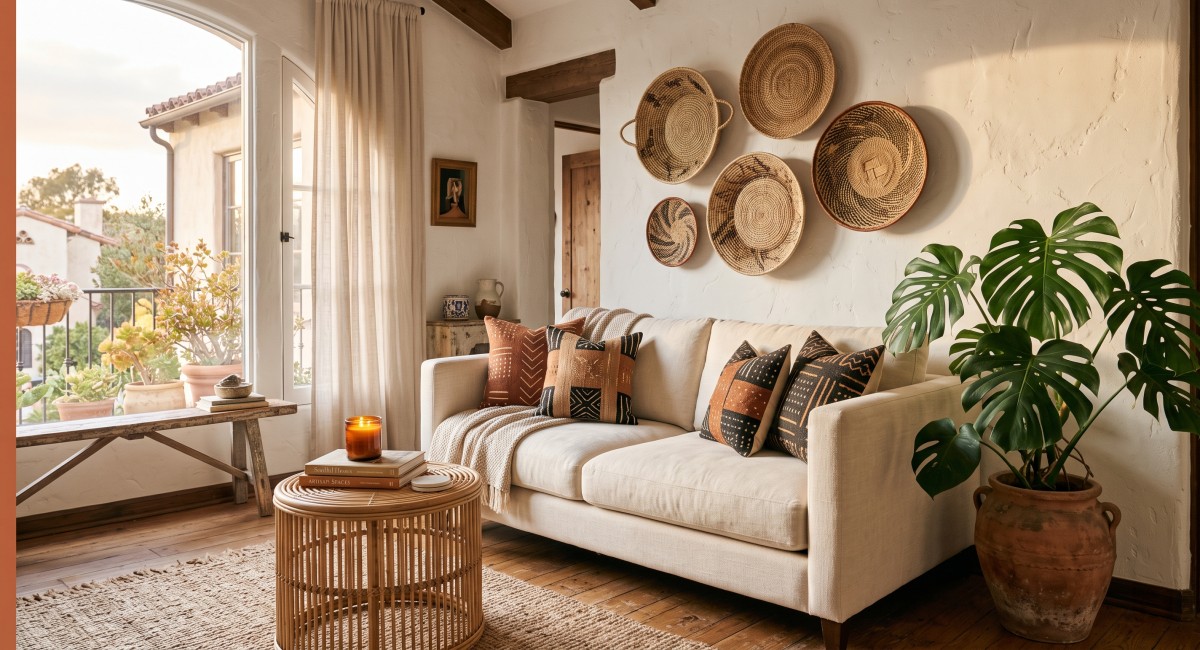
- The sofa is neutral and comfortable, layered with a mudcloth throw and a couple of kente pillows.
- On the wall, a set of flat, handwoven baskets are arranged above a carved wood mask.
- The coffee table is a simple, chunky piece of reclaimed wood, holding a tray with beads and a ceramic bowl.
- A pair of rattan chairs with Boho cushions sit beside a bamboo beaded curtain that separates the living space from the hallway.
- The floor features a jute rug in a natural color, with a smaller, patterned kilim rug on top.
- Several houseplants in woven baskets and clay pots are grouped near the window, adding height and softness.
- The color palette is earthy—terracotta, sand, a touch of olive green—with pops of bright blue and yellow in the pillows and art.
- Accessories include a beaded necklace draped over a lamp, a few hand-thrown pots, and some found objects collected on travels.
This room feels alive, curated, and deeply personal. It invites conversation and relaxation, with every object telling part of your story.

Credit: www.masiello.com
Common Mistakes To Avoid
Even with the best intentions, it’s easy to go too far or not far enough with Afrohemian decor. Here are a few common pitfalls and how to sidestep them:
- Overcrowding: Too many patterns, colors, or accessories can feel chaotic. Leave empty spaces for the eye to rest.
- Ignoring Scale: Large furniture and bold patterns need balance. Pair with smaller items or subtle designs.
- Going All-Neutral or All-Bright: Afrohemian style needs both earthy tones and vibrant pops. Too much of either misses the mark.
- Forgetting Function: Beauty matters, but so does comfort and practicality. Make sure baskets, stools, and textiles serve real purposes.
- Buying Everything New: Afrohemian decor shines when it’s collected over time. Mix new, vintage, and handmade pieces for authenticity.
Where To Find Afrohemian Decor
Sourcing unique pieces is part of the fun. Here’s where you might look:
- Local artisan markets or online platforms specializing in African crafts
- Vintage or thrift stores for Boho and retro finds
- Fair-trade shops for ethical baskets, textiles, and accessories
- DIY: Try making simple mudcloth pillows or beaded curtains at home
When shopping online, sites like Etsy feature many independent makers selling both African and Boho-inspired decor.
Expert Advice: If you’re unsure about authenticity, research the maker or brand. Many African artisans are now selling directly online, and fair-trade labels help ensure your purchase supports the right communities.
Creating Your Afrohemian Home: Final Thoughts
Afrohemian decor is more than a style—it’s an invitation to blend tradition with freedom, craftsmanship with creativity. By layering textiles, displaying handwoven baskets, using carved wood, and thoughtfully mixing patterns and colors, you create a space that’s truly your own.
There’s no single “right” way to do Afrohemian style. Trust your instincts, collect pieces that speak to you, and don’t rush the process. Over time, your home will reflect your journey, your heritage, and your love for meaningful design.
If you want a home that’s both inspiring and welcoming, try these eight approaches. You’ll discover that blending African and Boho style opens endless possibilities for comfort, beauty, and self-expression.
Frequently Asked Questions
What Is Afrohemian Decor?
Afrohemian decor is a style that mixes the rich patterns, materials, and stories of African design with the relaxed, eclectic, and artistic spirit of Bohemian interiors. The result is a home that feels warm, personal, and globally inspired.
How Do I Mix African Patterns With Boho Style Without Making My Room Look Busy?
Start with a simple color palette and limit the number of bold patterns. Combine large African prints with smaller, more subtle Boho designs. Use neutral walls or furniture to balance the look. Add new patterns slowly and step back to see how the space feels.
Where Can I Buy Authentic Afrohemian Decor Pieces?
Look for artisan markets, fair-trade stores, and online platforms like Etsy that support independent makers. For authenticity, check the origin and materials, and buy directly from artisans when possible.
What Kinds Of Houseplants Work Best In Afrohemian Interiors?
Low-maintenance plants with strong shapes—like snake plants, monstera, and aloe vera—fit well in Afrohemian rooms. Display them in woven baskets, clay pots, or recycled containers to add texture and color.
Can I Create Afrohemian Decor On A Small Budget?
Absolutely. Start with affordable items like mudcloth pillow covers, thrifted baskets, or handmade accessories. Mix new and secondhand finds, and DIY simple projects like beaded curtains or painted plant pots. The key is thoughtful layering, not price.
Afrohemian decor is about expressing your story, not following strict rules. With these eight ideas, you’re ready to bring the soulful blend of African and Boho style into your home—one meaningful piece at a time.